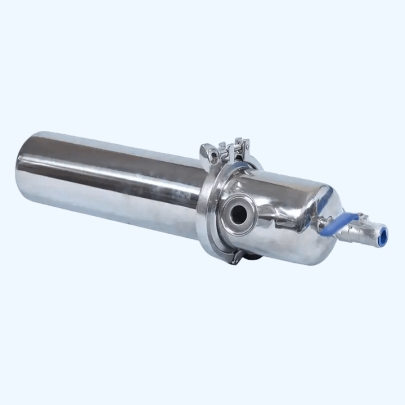
ISO certified unit in India that manufactures of Strainer

ISO certified unit in India that manufactures of Strainer
A steam filter is a specialized filtration device designed to remove contaminants such as rust, scale, condensate, and solid particles from steam lines. It ensures clean, dry steam for critical applications like food processing, pharmaceuticals, power plants, and chemical industries.
Steam filters operate by passing steam through a high-temperature-resistant filter element (typically stainless steel mesh or sintered media). Contaminants are trapped while clean steam flows downstream. Many designs include condensate drainage to prevent moisture carryover.
Steam filters effectively remove:
• Rust and pipe scale
• Welding debris
• Dust and particulates
• Condensate droplets (in combination with separators)
• Oil carryover (in specific applications)
• Steam Filter: Removes solid particles from steam
• Steam Separator: Removes moisture (water droplets) from steam
? For best performance, both are often used together in a steam filtration system.
Steam filters are typically manufactured using:
• Stainless Steel (SS304, SS316, SS316L)
• Carbon Steel (for non-corrosive applications)
• High-temperature gaskets (PTFE, graphite)
These materials ensure durability under high pressure and temperature.
Typical steam filter micron ratings range from:
• 25–50 micron: General protection
• 5–10 micron: Fine filtration
• 1–3 micron: Critical applications (pharma/food)
Selection depends on process requirements and downstream equipment sensitivity.
Steam filters are designed to handle:
• Temperatures up to 200–400°C
• Pressures up to 40 bar or higher
• Saturated or superheated steam
Exact ratings depend on design standards like ASME or DIN.
Steam filters are widely used in:
• Food & beverage processing
• Pharmaceutical manufacturing
• Textile industries
• Power plants
• Oil & gas refineries
• Chemical processing plants
Key parameters for sizing include:
• Steam flow rate (kg/hr)
• Operating pressure & temperature
• Allowable pressure drop
• Required micron rating
Proper sizing ensures efficiency and prevents excessive pressure loss.
Pressure drop depends on flow rate, filter element, and contamination level. Clean filters typically have low pressure drop (0.1–0.5 bar), which increases as the element becomes clogged.
Maintenance frequency depends on contamination levels, but typically:
• Inspect every 1–3 months
• Clean or replace filter elements periodically
• Monitor pressure drop as an indicator
Steam filters primarily remove solid particles. For condensate removal, they are often installed after steam separators and paired with steam traps for complete system efficiency.
• Improved product quality
• Protection of control valves and equipment
• Reduced maintenance costs
• Increased system efficiency
• Compliance with industry standards (FDA, GMP)
Yes, sanitary steam filters with polished internal surfaces and high-grade stainless steel are used in industries like pharmaceuticals and food processing, complying with strict hygiene standards.
Steam filters are designed as per:
• ASME Section VIII
• PED (Pressure Equipment Directive)
• ISO standards
• GMP/FDA (for sanitary applications)