ISO certified unit in India that manufactures of Strainer

ISO certified unit in India that manufactures of Strainer
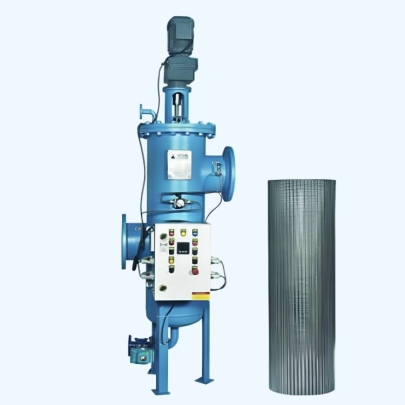
An industrial self-cleaning filter is an automatic filtration system designed to remove solid contaminants from liquids without manual intervention. It uses internal mechanisms such as scraping, suction scanning, or back-flushing to clean the filter element while the system remains in operation.
Self-cleaning filters operate by continuously filtering fluid through a screen or mesh element. As debris accumulates, a cleaning cycle is triggered (via differential pressure or timer), where contaminants are removed using:
• Suction scanner systems
• Rotating scraper blades
• Backwash or reverse flow
This ensures uninterrupted flow and minimal pressure drop.
Common types include:
• Automatic backwash filters
• Scraper-type self-cleaning filters
• Suction scanning filters
• Brush-type self-cleaning filters
• Disc filters
Selection depends on fluid type, contamination level, and operating conditions.
• Continuous operation without shutdown
• Reduced maintenance and labor costs
• Consistent filtration efficiency
• Lower pressure drop over time
• Longer equipment life
• Ideal for high-flow industrial systems
Self-cleaning filters are widely used in:
• Oil & gas processing
• Petrochemical and chemical plants
• Power generation
• Water treatment and desalination
• Steel and metal processing
• Food & beverage industries
• Marine and offshore systems
Filtration ratings typically range from 10 microns to 3000 microns, depending on the filter type and element design (mesh, wedge wire, or perforated screen).
Cleaning cycles are initiated by:
• Differential pressure (?P) across the filter
• Timer-based intervals
• Manual override (if required)
Automatic ?P-based cleaning is most efficient for varying contamination loads.
• Clean condition: typically 0.1 to 0.5 bar
• During operation: increases with contamination until cleaning is triggered
Proper sizing ensures minimal pressure loss and optimal system performance.
Yes, industrial self-cleaning filters are designed for high flow capacities, ranging from a few m³/hr to several thousand m³/hr, making them suitable for large'scale industrial applications.
Common materials include:
• Carbon steel
• Stainless steel (SS304, SS316, SS316L)
• Duplex and super duplex steels
• Special alloys (for corrosive environments)
Material selection depends on fluid chemistry, temperature, and pressure.
Yes, but performance depends on viscosity. For high-viscosity fluids:
• Scraper-type filters are preferred
• Larger mesh sizes may be required
• Flow velocity must be optimized
Maintenance is minimal but includes:
• Periodic inspection of cleaning mechanism
• Checking seals and gaskets
• Monitoring differential pressure sensors
• Occasional replacement of filter elements
Key selection parameters:
• Flow rate (m³/hr)
• Fluid type and viscosity
• Contaminant size and load
• Operating pressure and temperature
• Required filtration rating
• Installation space and orientation
• Backwash filters: Use reverse flow to clean the screen
• Scraper filters: Use mechanical blades to remove debris
Scraper filters are better for sticky or viscous contaminants, while backwash filters suit water-based systems.
Yes, they are specifically designed for continuous, uninterrupted operation, even during cleaning cycles, making them ideal for critical industrial processes.
Typical standards include:
• ASME Section VIII (pressure vessels)
• ANSI / ASME B16.5 (flanges)
• ISO standards
• API standards (where applicable)
With proper maintenance, industrial self-cleaning filters can last 10–20 years or more, depending on operating conditions and material selection.
Yes, self-cleaning filters can be fully customized for:
• High pressure or high temperature service
• Corrosive fluids
• Hazardous areas (ATEX / flameproof designs)
• Special nozzle configurations and automation requirements
Yes, they reduce energy consumption by:
• Maintaining low pressure drop
• Eliminating frequent shutdowns
• Reducing pump load due to clogging
Common causes include:
• High contamination load
• Incorrect mesh size (too fine)
• Undersized filter
• Faulty differential pressure sensor
Proper design and sizing are critical to avoid excessive cleaning cycles.